
As the world struggles through obstacles of travel in the post-pandemic environment, it becomes essential for individuals to understand the testing criteria to go abroad. The two primary testing methods that have gained acceptance as standards are polymerase chain reaction (PCR) tests and antigen tests for travel. This article will discuss the variations between these tests, international travel laws, and tips for travelers to prepare for their upcoming trip.
Understanding the Testing Methods
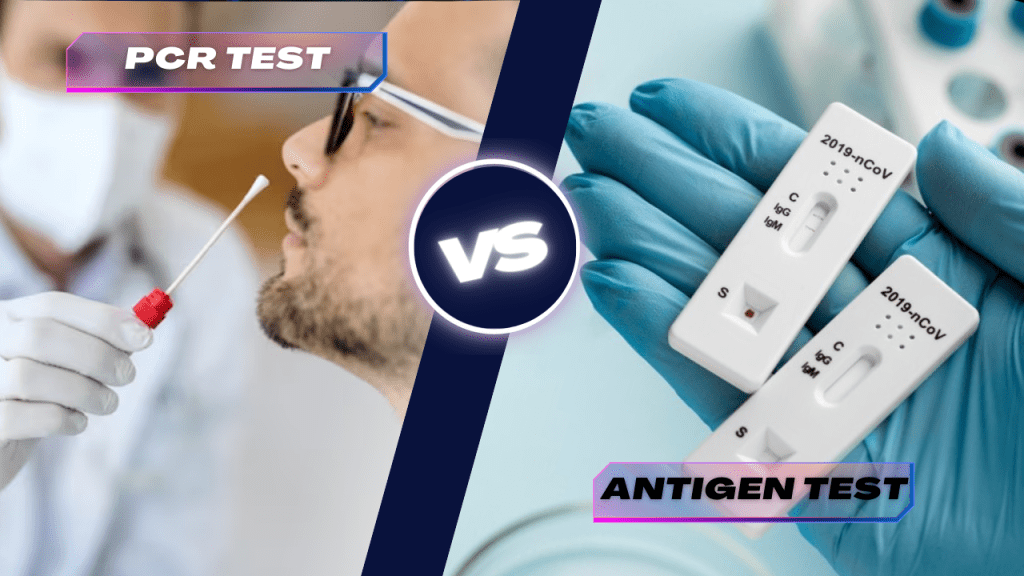
Antigen testing is a quick test that identifies particular viral proteins. They are frequently used for screening, especially in busy places like airports and events, are generally simpler to administer, and may provide results in just 15 to 30 minutes. However, as these tests are less sensitive than PCR testing, they may not identify active infections, particularly in people with lower virus loads.
PCR Examinations, The gold-standard method for COVID-19 testing, . It can detect the amount of the virus in the sample by amplifying its genetic material. Results often take a couple of hours to a few days, according to the lab’s capability. While antigen tests provide quick results, travelers who need more accurate diagnoses may find the thoroughness of PCR tests to be a reliable option.
Global Travel Requirements
Travel requirements can vary significantly from country to country, and they often change based on the evolving nature of the pandemic. Here’s a look at how different regions are implementing antigen and PCR testing requirements:
Europe:
Although specific regulations may vary, several European nations accept both PCR and antigen tests for admission. For instance, a negative PCR test must be obtained within 72 hours of arrival in nations like Spain and Italy. France, on the other hand, might approve quick antigen testing performed within 48 hours. As travel guidelines are continually updated, it’s essential to check the latest information from official sources before departure.
United States:
The Centers for Disease Control and Prevention (CDC) recommends that overseas visitors to the United States submit a negative test result before boarding. Antigen tests are acceptable if conducted within a certain window of time, usually 24 hours before departure, whereas PCR testing is recommended. However, as different states may have different guidelines, travelers should confirm the conditions based on where they are going and where they are arriving.
Asia-Pacific:
Strict admission rules apply to nations like South Korea and Japan. While South Korea has a similar requirement but permits quick antigen testing in specific situations, Japan normally requires a negative PCR test to be performed within 72 hours before departure. Other nations, such as Thailand, have relaxed some of their entry protocols but still require testing upon arrival or proof of vaccination.
Latin America:
Throughout the pandemic, testing criteria have differed significantly in countries like Argentina and Brazil. Brazil does not currently require a pre-departure test for tourists who have had vaccinations, but those who have not may be required to submit a negative PCR or antigen test.
Argentina requires proof of a negative PCR test taken no more than 72 hours before arrival, but they have been known to adjust their policies rapidly based on the local COVID-19 situation.
Africa:
Many African countries, including South Africa and Kenya, require PCR tests for entry. South Africa mandates a negative test result taken within 72 hours before arrival, while Kenya also accepts antigen tests, but these must be conducted within 24 hours of departure.
Key Considerations for Travelers
While planning overseas travel, here are some cardinal tips to keep in mind regarding testing requirements.
Stay Informed:
Travel regulations can change frequently. Always consult official government websites or your airline for the latest requirements before traveling.
Understand Timing Requirements:
Make sure to understand the timing of tests. Different countries have various requirements regarding when tests must be taken relative to your arrival.
Document Everything:
Make sure you have easy access to all testing documentation. Travelers must present proof of testing in the majority of nations both before boarding and after arrival.
Verify Additional Requirements:
Certain locations may require health declarations, proof of vaccinations, or quarantine upon arrival. Make sure you go over these requirements properly in advance.
Consider Travel Insurance:
Considering the unpredictabilities of travel, think about acquiring travel insurance that covers COVID-19-related concerns, such as possible quarantine expenses and testing.
Conclusion
As international travel resumes, it’s important for travelers to understand the differences between antigen and PCR tests, particularly the PCR test for travel in Toronto.By staying updated and organized, travelers can navigate the ever-changing landscape of travel laws. Make sure to prefer trustworthy Canadian Travel Clinics resource and follow proper guidelines.
 Canadian Travel Clinics