Understanding COVID-19 Rapid Testing and Vaccination: A Comprehensive Guide
In the evolving landscape of global health, staying informed about COVID-19 rapid testing and vaccination is crucial. This guide provides essential information on who should consider testing, steps to take after receiving test results, sample collection methods, available vaccines, recommended dosing intervals, and accessing proof of vaccination.
Who Should Consider Getting Tested?
COVID-19 affects individuals differently. Some may experience severe symptoms, others mild, and some may remain asymptomatic. Testing is essential for:
Symptomatic Individuals: If you exhibit symptoms such as fever, cough, or loss of taste and smell, testing can confirm infection.
Asymptomatic Individuals with Exposure: Even without symptoms, if you’ve been in contact with a confirmed case, testing is advisable to prevent further spread.
Steps to Take After Receiving Test Results
Understanding your test results is vital for appropriate action:
If Positive:
Isolate Immediately: Separate yourself from others, including household members, to prevent transmission.
Notify Health Authorities: Inform local public health officials to receive guidance and support.
Monitor Symptoms: Seek medical attention if symptoms worsen.
If Negative:
Remain Cautious: A negative result doesn’t guarantee absence of infection, especially if tested early. Continue to monitor for symptoms.
Follow Public Health Guidelines: Adhere to local recommendations, including possible retesting and quarantine if exposed.
Sample Collection Methods for COVID-19 Tests
Various methods are used to collect samples for COVID-19 testing:
Nasal Swab: A sample is taken from inside the nostrils.
Throat Swab: A sample is collected from the back of the throat.
Saliva Sample: Individuals spit into a sterile container.
Oral Fluid Swab: A swab is used to collect fluid from the mouth.
Each method aims to detect the presence of the virus accurately.
Available Vaccines and Recommended Intervals
Staying up-to-date with vaccinations enhances protection:
mRNA Vaccines: Authorized for individuals aged 6 months and older.
Primary Series:
Ages 6 Months to 4 Years: Two doses, eight weeks apart. Immunocompromised children may require a third dose.
Ages 5 and Older: One dose completes the primary series. Immunocompromised individuals should receive a second dose after eight weeks.
Additional Doses: Recommended at least six months after the primary series, with a minimum interval of three months if necessary.
Accessing Proof of Vaccination
Maintaining proof of vaccination is important:
Digital Records: Many regions offer digital vaccine certificates accessible through health department portals.
Physical Cards: Keep your vaccination card in a safe place for easy access when needed.
Co-Administration with Other Vaccines
It’s safe to receive the COVID-19 vaccine alongside other vaccines, such as the influenza vaccine. Co-administration can be convenient and ensures timely protection against multiple illnesses.
Conclusion
Staying informed about COVID-19 rapid testing and vaccination protocols is essential for personal and public health. Regular testing, especially after exposure or when symptomatic, combined with adhering to vaccination schedules, plays a pivotal role in controlling the spread of the virus. Always consult with healthcare providers for personalized advice and stay updated with local health authority guidelines.
Traveling in today’s world requires careful planning, especially when it comes to health and safety. With the ongoing pandemic, travelers often need to prove their COVID-free status before they can board flights or enter certain countries. The two most common tests required are the antigen test and the PCR test. But how do they differ, and which one is right for your trip? Let’s explore the details of both tests, their benefits, and their limitations, to help you make an informed decision.
What is an Antigen Test?
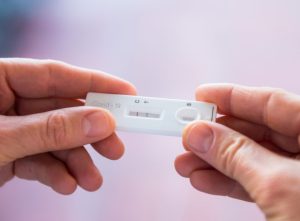
The antigen test is a diagnostic method used to detect specific proteins from the surface of the COVID-19 virus. It works by identifying these viral proteins in a sample taken from the respiratory system, such as a nasal or throat swab. The major advantage of an antigen test is its speed—it can provide results in as little as 15-30 minutes, making it a popular choice for quick screenings, especially at airports and event locations.
Because the antigen test is designed to be fast, it may not detect the virus in its early stages or cases with low viral loads. This means it has a higher chance of giving a false negative, particularly for asymptomatic individuals or those who have not yet developed a significant viral load.
How Does an Antigen Test Work?
To perform the test, a sample is collected from the nose or throat using a swab. The sample is then processed with a reagent that reacts when it detects the viral proteins. The presence of these proteins indicates a positive result, while the absence of them results in a negative reading. Since antigen tests are not as sensitive as PCR tests, they might miss some infections, particularly in people who are not showing symptoms or have a low viral load.
What is a PCR Test?
ThePCR test (Polymerase Chain Reaction) is the most commonly used method for COVID-19 detection due to its high accuracy. Unlike antigen tests, which detect proteins on the virus’s surface, PCR tests look for the virus’s genetic material (RNA). A PCR test amplifies tiny amounts of viral RNA in a sample, allowing even trace amounts of the virus to be detected. This is why PCR tests are often referred to as the “gold standard” for COVID-19 testing.
Typically, PCR tests are more accurate and reliable than antigen tests because they are able to detect the virus in people who have low viral loads, including those who are asymptomatic or in the early stages of infection.
How Does a PCR Test Work?
To conduct a PCR test, a swab is taken from your throat or nose, although some locations also accept saliva samples. This sample is then sent to a laboratory, where it undergoes a process that amplifies the virus’s genetic material. Once the genetic material is amplified, it is analyzed to determine whether the virus is present. Due to the complex process and laboratory involvement, PCR tests are more time-consuming than antigen tests, but they are considered much more reliable.
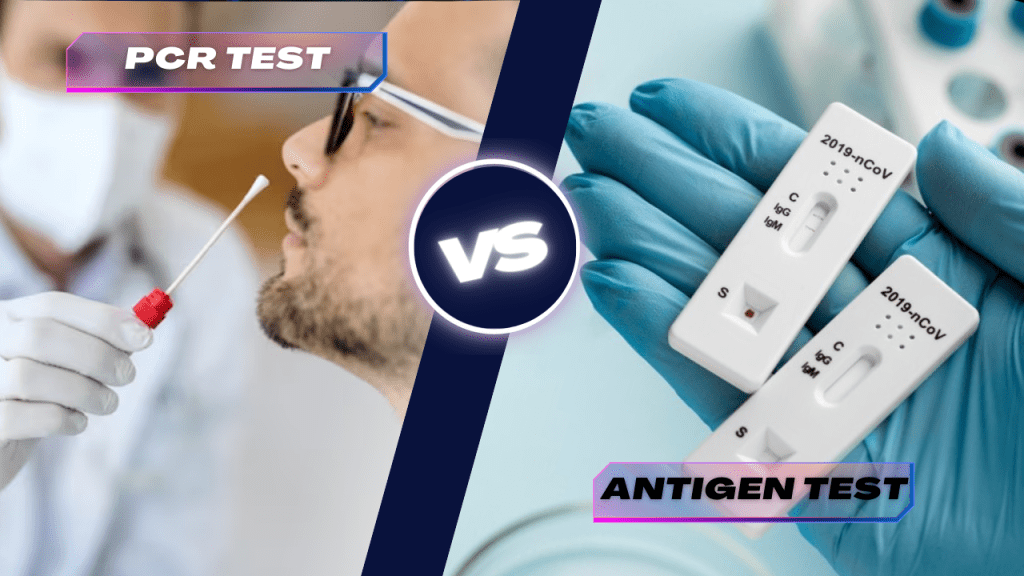
Key Differences Between Antigen and PCR Tests
Speed of Results
The main advantage of an antigen test is the speed. Results from an antigen test are typically available within 15 to 30 minutes. This is particularly useful for travelers who need to quickly confirm their status before boarding flights or attending events. PCR tests, however, can take much longer. Depending on the lab’s capacity, it may take a few hours to a couple of days to receive the results.
Accuracy and Sensitivity
While antigen tests are fast, they are less sensitive than PCR tests. Antigen tests may give false-negative results, especially in people who are asymptomatic or early in their infection. If you have symptoms and have been exposed to COVID-19, a PCR test is more reliable for confirming your status. PCR tests are highly sensitive and can detect the virus even when the viral load is very low, making them much more accurate than antigen tests.
Cost
When comparing costs, antigen tests are usually more affordable than PCR tests. The rapid test kits and their faster processing times contribute to the lower cost. Many testing centers offer antigen tests at a fraction of the price of PCR tests. However, PCR tests are more expensive because they involve more advanced technology and laboratory processing. The price difference is a significant factor, especially for large groups or families who need to get tested.
Travel Requirements
Before traveling, it is essential to check the entry requirements for your destination. Some countries or airlines accept antigen tests, while others require a negative PCR test. Some countries may accept antigen tests only if they are taken within a specific time frame—typically within 24 to 48 hours before departure. In contrast, PCR tests are often required for travelers coming from high-risk areas or those who are unvaccinated. It’s essential to verify the specific testing requirements for your destination to avoid any surprises at the airport.
Testing Locations
Both antigen and PCR tests are widely available at travel clinics, and hospitals. Antigen tests are more commonly offered in places like airports, large-scale testing sites, and some pharmacies, as they are quick and easy to administer. In contrast, PCR tests are typically conducted in laboratories, where samples are processed and analyzed. The process is more regulated, ensuring higher accuracy but leading to longer wait times for results.
When to Choose an Antigen Test
Some scenarios where an antigen test might be appropriate include:
Urgent Results: If you need a result within minutes of a flight or event, antigen tests are the best option.
Low-Risk Travelers: If you are healthy and don’t show any symptoms of COVID-19, an antigen test might be sufficient, especially if your destination accepts rapid tests.
Affordable Option: For budget-conscious travelers, the antigen test is generally cheaper than PCR tests.
Travel to Certain Destinations: Some countries accept antigen tests for entry, making them a practical choice if you are traveling to one of these places.
When to Choose a PCR Test
While antigen tests are suitable for many situations, PCR tests are still the most reliable option for many travelers. Here are situations when a PCR test is recommended:
Higher Accuracy Needed: If you want to ensure the most reliable results, especially if you have symptoms or have recently been exposed to someone with COVID-19, a PCR test is a safer choice.
Asymptomatic Travelers: If you are not showing any symptoms but want to be sure you are not infected, a PCR test is much more accurate, especially for detecting the virus in the early stages.
Travel to High-Risk Destinations: Many countries require a negative PCR test result for entry, especially those with stricter health protocols. It is important to check the testing requirements of your destination before booking your test.
Peace of Mind: If you want to be certain that you are COVID-free, a PCR test provides the highest level of certainty, particularly if you are visiting high-risk areas or planning long-haul travel.
Conclusion
Choosing between an antigen test and a PCR test for travel depends on several factors, including the speed of results, cost, accuracy, and the entry requirements of your destination. If you need fast results and your destination accepts antigen tests, it can be a convenient option. However, if you want the most reliable test, especially when traveling to destinations with strict entry requirements, a PCR test is the better choice.
Before scheduling your test, always check the travel requirements for your destination and plan to ensure that you meet the necessary deadlines. By understanding the differences between these two tests, you can make the best decision for your health and your travel plans.
As the world struggles through obstacles of travel in the post-pandemic environment, it becomes essential for individuals to understand the testing criteria to go abroad. The two primary testing methods that have gained acceptance as standards are polymerase chain reaction (PCR) tests and antigen tests for travel. This article will discuss the variations between these tests, international travel laws, and tips for travelers to prepare for their upcoming trip.
Understanding the Testing Methods
Antigen testing is a quick test that identifies particular viral proteins. They are frequently used for screening, especially in busy places like airports and events, are generally simpler to administer, and may provide results in just 15 to 30 minutes. However, as these tests are less sensitive than PCR testing, they may not identify active infections, particularly in people with lower virus loads.
PCR Examinations, The gold-standard method for COVID-19 testing, . It can detect the amount of the virus in the sample by amplifying its genetic material. Results often take a couple of hours to a few days, according to the lab’s capability. While antigen tests provide quick results, travelers who need more accurate diagnoses may find the thoroughness of PCR tests to be a reliable option.
Global Travel Requirements
Travel requirements can vary significantly from country to country, and they often change based on the evolving nature of the pandemic. Here’s a look at how different regions are implementing antigen and PCR testing requirements:
Europe:
Although specific regulations may vary, several European nations accept both PCR and antigen tests for admission. For instance, a negative PCR test must be obtained within 72 hours of arrival in nations like Spain and Italy. France, on the other hand, might approve quick antigen testing performed within 48 hours. As travel guidelines are continually updated, it’s essential to check the latest information from official sources before departure.
United States:
The Centers for Disease Control and Prevention (CDC) recommends that overseas visitors to the United States submit a negative test result before boarding. Antigen tests are acceptable if conducted within a certain window of time, usually 24 hours before departure, whereas PCR testing is recommended. However, as different states may have different guidelines, travelers should confirm the conditions based on where they are going and where they are arriving.
Asia-Pacific:
Strict admission rules apply to nations like South Korea and Japan. While South Korea has a similar requirement but permits quick antigen testing in specific situations, Japan normally requires a negative PCR test to be performed within 72 hours before departure. Other nations, such as Thailand, have relaxed some of their entry protocols but still require testing upon arrival or proof of vaccination.
Latin America:
Throughout the pandemic, testing criteria have differed significantly in countries like Argentina and Brazil. Brazil does not currently require a pre-departure test for tourists who have had vaccinations, but those who have not may be required to submit a negative PCR or antigen test.
Argentina requires proof of a negative PCR test taken no more than 72 hours before arrival, but they have been known to adjust their policies rapidly based on the local COVID-19 situation.
Africa:
Many African countries, including South Africa and Kenya, require PCR tests for entry. South Africa mandates a negative test result taken within 72 hours before arrival, while Kenya also accepts antigen tests, but these must be conducted within 24 hours of departure.
Key Considerations for Travelers
While planning overseas travel, here are some cardinal tips to keep in mind regarding testing requirements.
Stay Informed:
Travel regulations can change frequently. Always consult official government websites or your airline for the latest requirements before traveling.
Understand Timing Requirements:
Make sure to understand the timing of tests. Different countries have various requirements regarding when tests must be taken relative to your arrival.
Document Everything:
Make sure you have easy access to all testing documentation. Travelers must present proof of testing in the majority of nations both before boarding and after arrival.
Verify Additional Requirements:
Certain locations may require health declarations, proof of vaccinations, or quarantine upon arrival. Make sure you go over these requirements properly in advance.
Consider Travel Insurance:
Considering the unpredictabilities of travel, think about acquiring travel insurance that covers COVID-19-related concerns, such as possible quarantine expenses and testing.
Conclusion
As international travel resumes, it’s important for travelers to understand the differences between antigen and PCR tests, particularly the PCR test for travel in Toronto.By staying updated and organized, travelers can navigate the ever-changing landscape of travel laws. Make sure to prefer trustworthy Canadian Travel Clinics resource and follow proper guidelines.
Get ready to embark on your next adventure with confidence and stay healthy on your travels by visiting Canadian Travel Clinics in Toronto!
Benefits of Visiting Canadian Travel Clinics:
Get personalized advice and guidance from healthcare professionals specialized in travel health. They can help you identify and manage travel-related health risks based on your destination, activities, and medical history.
Access necessary vaccinations and medications recommended or required for your destination. Stay protected against infectious diseases and travel with peace of mind.
Receive essential travel health education and empower yourself to make informed decisions. Learn about food and water safety, insect-borne diseases, altitude sickness, and more to protect your health on the go.
Common Travel Health Concerns:
Stay one step ahead of common travel health concerns such as traveller’s diarrhea, mosquito-borne diseases, altitude sickness, and sunburn by taking appropriate preventive measures. Practice good hygiene, use insect repellent, acclimatize to high altitudes, and protect yourself from excessive sun exposure.
Vaccinations and Preventative Measures:
Get vaccinated against diseases such as hepatitis A and B, typhoid, yellow fever, and measles, mumps, and rubella (MMR) as recommended for your travels. Additionally, receive advice on other preventative measures such as malaria prevention, traveller’s diarrhea prevention, and safe food and water practices.
Travel Health Tips:
Research your destination, pack a travel health kit with essential medications and supplies, and stay informed about local health risks and requirements. With these tips and the support of Canadian Travel Clinics, you can be well-equipped for a healthy and enjoyable travel experience.
As the world gradually opens up to travel post-pandemic, navigating the myriad of requirements can be daunting. Among the most crucial is the PCR (Polymerase Chain Reaction) test, which has become a standard procedure for travelers worldwide. In this comprehensive guide, we’ll delve into everything you need to know about PCR testing for travel in Edmonton, Canada, ensuring a smooth journey as you embark on your next adventure.
Understanding PCR Testing:
PCR testing has emerged as a gold standard in diagnosing COVID-19 due to its high accuracy and sensitivity. It detects the genetic material of the virus, providing reliable results even in asymptomatic individuals. For travelers, PCR tests serve as a means to ensure safety and mitigate the spread of the virus across borders.
PCR Testing Requirements for Travel:
Before embarking on your journey from Edmonton, it’s essential to familiarize yourself with the specific PCR testing requirements imposed by your destination country. Each country may have its own set of regulations regarding the timing of the test, acceptable testing facilities, and validity period of the results. Some countries may require testing within a specific window before departure, typically ranging from 72 to 96 hours.
Locating Approved Testing Facilities in Edmonton:
To meet travel requirements, it’s crucial to get tested at an approved facility. In Edmonton, several clinics, pharmacies, and testing centers offer PCR testing services for travelers. It’s advisable to verify that the chosen facility meets the requirements stipulated by your destination country to avoid any complications.
Booking Your PCR Test:
Due to the high demand for PCR testing, especially among travelers, it’s prudent to book your test appointment well in advance. Many testing facilities in Edmonton offer online booking systems, allowing you to schedule your test at your convenience. Be sure to factor in the turnaround time for receiving your results, ensuring they align with your travel itinerary.
Preparing for Your Test Appointment:
On the day of your PCR test, it’s essential to come prepared. Bring along your identification documents, travel itinerary, and any necessary forms required by the testing facility. Follow any pre-testing instructions provided, such as refraining from eating or drinking for a specified period before the test.
Undergoing the PCR Test:
The PCR testing process itself is relatively quick and non-invasive. A healthcare professional will collect a sample, usually via a nasal or throat swab, which is then sent to a laboratory for analysis. While discomfort during the test is minimal, it’s normal to experience a slight sensation of pressure.
Waiting for Your Results:
After undergoing the PCR test, the waiting period for results can be anxiety-inducing, especially with impending travel plans. Most testing facilities provide an estimated turnaround time for results, typically ranging from 24 to 48 hours. It’s essential to remain vigilant with your communication channels, as some facilities may provide results electronically or via a secure online portal.
Receiving Your Results:
Once your PCR test results are available, review them carefully to ensure they meet the requirements set forth by your destination country. Results typically indicate whether the test was negative or positive for COVID-19, along with the date and time of testing. If your results are negative, you’re cleared for travel. However, if they’re positive, it’s crucial to follow local health guidelines and postpone your travel plans until you’ve recovered and are no longer contagious.
Traveling with Your PCR Test Results:
As you embark on your journey from Edmonton, ensure you have your PCR test results readily accessible. Keep physical copies and digital copies on hand, as some airlines and immigration authorities may request them upon check-in or arrival at your destination. It’s also advisable to familiarize yourself with any additional travel requirements, such as quarantine protocols or health declarations.
Conclusion:
Navigating the intricacies of PCR testing for travel in Edmonton requires careful planning and attention to detail. By understanding the testing requirements, locating approved facilities, and adhering to pre-testing protocols, you can streamline the process and ensure a seamless travel experience. Remember, preparation is key, so book your test appointment well in advance and stay informed of any updates or changes to travel regulations. With proper planning and vigilance, you can embark on your journey with confidence, knowing that you’ve taken the necessary steps to prioritize safety and well-being.
Are you planning an exciting adventure abroad from Vancouver? Before you embark on your journey, it’s crucial to ensure that you’re fully prepared to stay healthy and safe during your travels. One essential aspect of travel planning is getting the necessary vaccinations to protect yourself from potential health risks in your destination. Here’s everything you need to know about travel vaccinations in Vancouver.
Understanding the Importance of Travel Vaccinations:
Traveling exposes you to various infectious diseases that may not be prevalent in your home country. Vaccinations can help your body build immunity against these diseases, reducing the risk of infection while you’re abroad. Depending on your destination, you may require specific vaccines to safeguard your health.
Consultation with a Travel Health Specialist:
Before your trip, schedule a consultation with a travel health specialist or visit a travel clinic in Vancouver. These professionals are well-versed in the health risks associated with different destinations and can provide personalized recommendations based on your itinerary, medical history, and current health status.
During your consultation, discuss your travel plans in detail, including the countries you’ll be visiting, the duration of your stay, and any activities you have planned. This information will help the specialist determine which vaccinations you need and whether you require additional preventive measures, such as malaria prophylaxis or traveler’s diarrhea medication.
Common Travel Vaccinations:
Some of the most commonly recommended travel vaccinations include:
Routine Vaccinations:
Ensure that your routine vaccinations, such as measles-mumps-rubella (MMR), diphtheria-tetanus-pertussis, and influenza, are up to date before traveling. These vaccines protect against diseases that are prevalent worldwide.
Hepatitis A and B:
Hepatitis viruses can be transmitted through contaminated food, water, or bodily fluids. Hepatitis A and B vaccines are especially important if you’re traveling to regions with poor sanitation or engaging in activities that increase your risk of exposure.
Typhoid Fever:
Typhoid fever is a bacterial infection spread through contaminated food and water. Vaccination is recommended for travelers visiting regions where typhoid is endemic, particularly in South Asia, Southeast Asia, and parts of Africa.
Yellow Fever:
Yellow fever is a viral disease transmitted by mosquitoes in tropical regions of Africa and South America. Some countries require proof of yellow fever vaccination for entry, and vaccination may be recommended or mandatory depending on your travel itinerary.
Preparing for Your Vaccination Appointment:
Before your appointment, compile a list of any previous vaccinations you’ve received and any underlying medical conditions you have. Bring this information with you to your consultation, as it will help the healthcare provider make informed recommendations.
Additionally, inquire about the cost of travel vaccinations in Vancouver and whether your health insurance covers them. Some vaccines may require multiple doses, so it’s essential to factor in both the cost and the timing of your vaccinations when planning your travel budget.
Conclusion:
Travel vaccinations are a crucial aspect of trip planning for anyone leaving Vancouver for international destinations. By consulting with a travel health specialist and staying up to date with recommended vaccines, you can protect yourself against preventable diseases and enjoy a safer and healthier travel experience. Don’t wait until the last minute – schedule your vaccination appointment well in advance of your departure date to ensure adequate protection before you set off on your adventure. Safe travels!
COVID19 antibody testing is a blood test used to check if you have ever been infected with SARS-COV-2. It is the virus that causes coronavirus disease.
An antibody-based test detects the presence of antibodies produced by the body’s immune system in response to the virus that indicates the previous infection. The test identifies foreign substances in your body made up of a complicated network of cells, organs, and tissues.
Covid Antibody Tests are designed to indicate if there is a current exposure to Covid 19 virus or there has been a past exposure to Covid 19.
The requirements for countries are changing very frequently so please check carefully from official channels what kind of COVID test is received by the airline and border control of your planned destination. For more info, visit here https://www.canadiantravelclinics.ca/
Nobody wants to expose to a serious disease while being in another part of the world. Visiting a travel clinic months before your travel can save you from contracting a serious disease. This is where you can get advice on mandatory travel immunizations and vaccinations needed for the destination you are planning on visiting.
A travel clinic professional can guide you on how long in advance of travel you need to get them. Clinics can ensure your safety by providing yellow fever vaccine, typhoid, Japanese encephalitis, travel injections for hepatitis A, cholera and more.
Discussing your travel requirements with a travel clinic healthcare expert will give you peace of mind. Vaccines are safe, easily available and an important tool to explore the world safely. Get your travel immunization advice today, and happy travelling.
During a pandemic, it is important for you to get tested before travelling outside the country. There are various types of Covid tests available such as PCR swab test, antigen test, antibody test and rapid test. You are required to get tested before travel.
Canadian Travel Clinics are providing state-of-the-art healthcare services at various locations in Canada. You can visit any of the Canadian Travel Clinics’ branches and get your test done effectively and efficiently.
In order to have safe and healthy overseas travel, a lot of prior preparation is needed. If you are traveling to countries where pandemics are rampant, you should seek services of a good travel clinic to provide you with necessary vaccinations. It can make your travel hassle-free.
A travel clinic provides vital information about the diseases that you may acquire while traveling abroad. It aims to equip you with the knowledge that you require to protect yourself from a variety of diseases and the measures to be undertaken if you fall in during the course of your travel.
So first things first; what is a travel clinic? It is a medical facility that focuses specifically on the preventative care of those planning to travel internationally. At a travel clinic, patients can meet with doctors who specialize in emporiatrics, or travel medicine and deal exclusively with travel-related health issues on a daily basis. Patients generally visit a travel clinic for a consultation and vaccination, and then again after their return for a wellness checkup.
If you’re based in Canada, try the Canadian Travel Clinics. Canadian Travel Clinics offers an accessible location and convenient appointment times, and one-on-one consultations with certified specialists who can provide you with the correct vaccinations, medicines, and information for you, and help you make the most of your trip wherever you may be headed.
Canadian Travel Clinics can provide a last-minute service, so even if you think you’ve left it too late, make a same-day appointment and we will help you out. Our Calgary immunization center can offer evening and weekend travel vaccine appointments for your convenience. Our appointments are 30 minutes long, and we are the only travel clinic in Calgary that offers this level of service.
Don’t waste time worrying about your health while traveling: make an appointment online 24/7 or call our booking line on +1 888 672 0005. You can visit our website for more information. https://www.canadiantravelclinics.ca/





 Canadian Travel Clinics