
Understanding COVID-19 Rapid Testing and Vaccination: A Comprehensive Guide
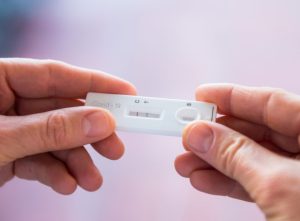
In the evolving landscape of global health, staying informed about COVID-19 rapid testing and vaccination is crucial. This guide provides essential information on who should consider testing, steps to take after receiving test results, sample collection methods, available vaccines, recommended dosing intervals, and accessing proof of vaccination.
Who Should Consider Getting Tested?
COVID-19 affects individuals differently. Some may experience severe symptoms, others mild, and some may remain asymptomatic. Testing is essential for:
- Symptomatic Individuals: If you exhibit symptoms such as fever, cough, or loss of taste and smell, testing can confirm infection.
- Asymptomatic Individuals with Exposure: Even without symptoms, if you’ve been in contact with a confirmed case, testing is advisable to prevent further spread.
Steps to Take After Receiving Test Results
Understanding your test results is vital for appropriate action:
- If Positive:
- Isolate Immediately: Separate yourself from others, including household members, to prevent transmission.
- Notify Health Authorities: Inform local public health officials to receive guidance and support.
- Monitor Symptoms: Seek medical attention if symptoms worsen.
- If Negative:
- Remain Cautious: A negative result doesn’t guarantee absence of infection, especially if tested early. Continue to monitor for symptoms.
- Follow Public Health Guidelines: Adhere to local recommendations, including possible retesting and quarantine if exposed.
Sample Collection Methods for COVID-19 Tests
Various methods are used to collect samples for COVID-19 testing:
- Nasal Swab: A sample is taken from inside the nostrils.
- Throat Swab: A sample is collected from the back of the throat.
- Saliva Sample: Individuals spit into a sterile container.
- Oral Fluid Swab: A swab is used to collect fluid from the mouth.
Each method aims to detect the presence of the virus accurately.
Available Vaccines and Recommended Intervals
Staying up-to-date with vaccinations enhances protection:
- mRNA Vaccines: Authorized for individuals aged 6 months and older.
- Primary Series:
- Ages 6 Months to 4 Years: Two doses, eight weeks apart. Immunocompromised children may require a third dose.
- Ages 5 and Older: One dose completes the primary series. Immunocompromised individuals should receive a second dose after eight weeks.
- Additional Doses: Recommended at least six months after the primary series, with a minimum interval of three months if necessary.
Accessing Proof of Vaccination
Maintaining proof of vaccination is important:
- Digital Records: Many regions offer digital vaccine certificates accessible through health department portals.
- Physical Cards: Keep your vaccination card in a safe place for easy access when needed.
Co-Administration with Other Vaccines
It’s safe to receive the COVID-19 vaccine alongside other vaccines, such as the influenza vaccine. Co-administration can be convenient and ensures timely protection against multiple illnesses.
Conclusion
Staying informed about COVID-19 rapid testing and vaccination protocols is essential for personal and public health. Regular testing, especially after exposure or when symptomatic, combined with adhering to vaccination schedules, plays a pivotal role in controlling the spread of the virus. Always consult with healthcare providers for personalized advice and stay updated with local health authority guidelines.
 Canadian Travel Clinics