
Traveling in today’s world requires careful planning, especially when it comes to health and safety. With the ongoing pandemic, travelers often need to prove their COVID-free status before they can board flights or enter certain countries. The two most common tests required are the antigen test and the PCR test. But how do they differ, and which one is right for your trip? Let’s explore the details of both tests, their benefits, and their limitations, to help you make an informed decision.
What is an Antigen Test?
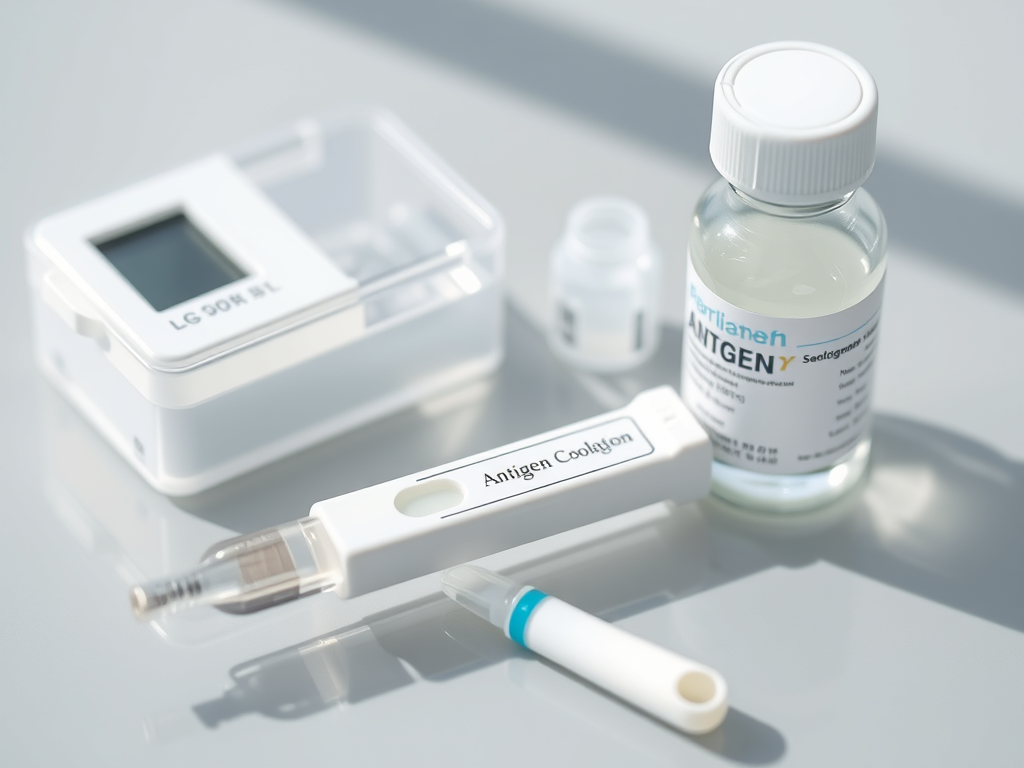
The antigen test is a diagnostic method used to detect specific proteins from the surface of the COVID-19 virus. It works by identifying these viral proteins in a sample taken from the respiratory system, such as a nasal or throat swab. The major advantage of an antigen test is its speed—it can provide results in as little as 15-30 minutes, making it a popular choice for quick screenings, especially at airports and event locations.
Because the antigen test is designed to be fast, it may not detect the virus in its early stages or cases with low viral loads. This means it has a higher chance of giving a false negative, particularly for asymptomatic individuals or those who have not yet developed a significant viral load.
How Does an Antigen Test Work?
To perform the test, a sample is collected from the nose or throat using a swab. The sample is then processed with a reagent that reacts when it detects the viral proteins. The presence of these proteins indicates a positive result, while the absence of them results in a negative reading. Since antigen tests are not as sensitive as PCR tests, they might miss some infections, particularly in people who are not showing symptoms or have a low viral load.
What is a PCR Test?
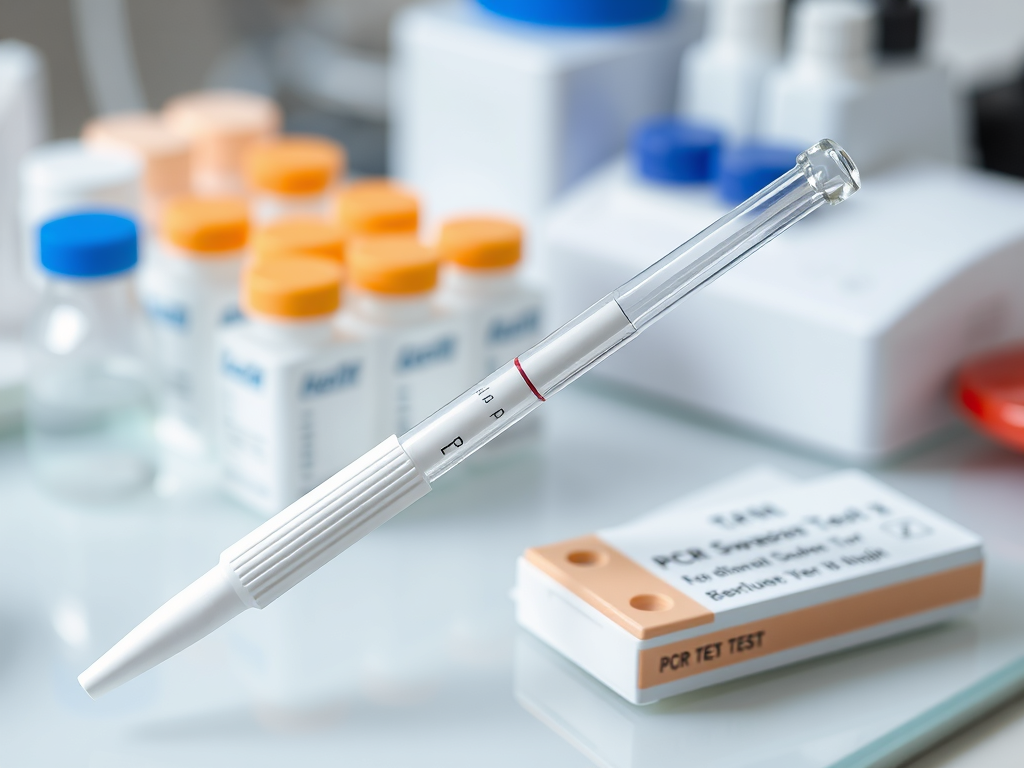
The PCR test (Polymerase Chain Reaction) is the most commonly used method for COVID-19 detection due to its high accuracy. Unlike antigen tests, which detect proteins on the virus’s surface, PCR tests look for the virus’s genetic material (RNA). A PCR test amplifies tiny amounts of viral RNA in a sample, allowing even trace amounts of the virus to be detected. This is why PCR tests are often referred to as the “gold standard” for COVID-19 testing.
Typically, PCR tests are more accurate and reliable than antigen tests because they are able to detect the virus in people who have low viral loads, including those who are asymptomatic or in the early stages of infection.
How Does a PCR Test Work?
To conduct a PCR test, a swab is taken from your throat or nose, although some locations also accept saliva samples. This sample is then sent to a laboratory, where it undergoes a process that amplifies the virus’s genetic material. Once the genetic material is amplified, it is analyzed to determine whether the virus is present. Due to the complex process and laboratory involvement, PCR tests are more time-consuming than antigen tests, but they are considered much more reliable.
Key Differences Between Antigen and PCR Tests
- Speed of Results
The main advantage of an antigen test is the speed. Results from an antigen test are typically available within 15 to 30 minutes. This is particularly useful for travelers who need to quickly confirm their status before boarding flights or attending events. PCR tests, however, can take much longer. Depending on the lab’s capacity, it may take a few hours to a couple of days to receive the results.
- Accuracy and Sensitivity
While antigen tests are fast, they are less sensitive than PCR tests. Antigen tests may give false-negative results, especially in people who are asymptomatic or early in their infection. If you have symptoms and have been exposed to COVID-19, a PCR test is more reliable for confirming your status. PCR tests are highly sensitive and can detect the virus even when the viral load is very low, making them much more accurate than antigen tests.
- Cost
When comparing costs, antigen tests are usually more affordable than PCR tests. The rapid test kits and their faster processing times contribute to the lower cost. Many testing centers offer antigen tests at a fraction of the price of PCR tests. However, PCR tests are more expensive because they involve more advanced technology and laboratory processing. The price difference is a significant factor, especially for large groups or families who need to get tested.
- Travel Requirements
Before traveling, it is essential to check the entry requirements for your destination. Some countries or airlines accept antigen tests, while others require a negative PCR test. Some countries may accept antigen tests only if they are taken within a specific time frame—typically within 24 to 48 hours before departure. In contrast, PCR tests are often required for travelers coming from high-risk areas or those who are unvaccinated. It’s essential to verify the specific testing requirements for your destination to avoid any surprises at the airport.
- Testing Locations
Both antigen and PCR tests are widely available at travel clinics, and hospitals. Antigen tests are more commonly offered in places like airports, large-scale testing sites, and some pharmacies, as they are quick and easy to administer. In contrast, PCR tests are typically conducted in laboratories, where samples are processed and analyzed. The process is more regulated, ensuring higher accuracy but leading to longer wait times for results.
When to Choose an Antigen Test
Some scenarios where an antigen test might be appropriate include:
- Urgent Results: If you need a result within minutes of a flight or event, antigen tests are the best option.
- Low-Risk Travelers: If you are healthy and don’t show any symptoms of COVID-19, an antigen test might be sufficient, especially if your destination accepts rapid tests.
- Affordable Option: For budget-conscious travelers, the antigen test is generally cheaper than PCR tests.
- Travel to Certain Destinations: Some countries accept antigen tests for entry, making them a practical choice if you are traveling to one of these places.
When to Choose a PCR Test
While antigen tests are suitable for many situations, PCR tests are still the most reliable option for many travelers. Here are situations when a PCR test is recommended:
- Higher Accuracy Needed: If you want to ensure the most reliable results, especially if you have symptoms or have recently been exposed to someone with COVID-19, a PCR test is a safer choice.
- Asymptomatic Travelers: If you are not showing any symptoms but want to be sure you are not infected, a PCR test is much more accurate, especially for detecting the virus in the early stages.
- Travel to High-Risk Destinations: Many countries require a negative PCR test result for entry, especially those with stricter health protocols. It is important to check the testing requirements of your destination before booking your test.
- Peace of Mind: If you want to be certain that you are COVID-free, a PCR test provides the highest level of certainty, particularly if you are visiting high-risk areas or planning long-haul travel.
Conclusion
Choosing between an antigen test and a PCR test for travel depends on several factors, including the speed of results, cost, accuracy, and the entry requirements of your destination. If you need fast results and your destination accepts antigen tests, it can be a convenient option. However, if you want the most reliable test, especially when traveling to destinations with strict entry requirements, a PCR test is the better choice.
Before scheduling your test, always check the travel requirements for your destination and plan to ensure that you meet the necessary deadlines. By understanding the differences between these two tests, you can make the best decision for your health and your travel plans.
 Canadian Travel Clinics